Source Front Cover Car Strut for Suspension, Mounting, and Link Applications
Find 30 verified listings for the front cover car strut suitable for suspension systems, strut mounts, and stabilizer links. Buyers can compare specifications including material, certification, and customization options from suppliers in China.
Key considerations
Products List


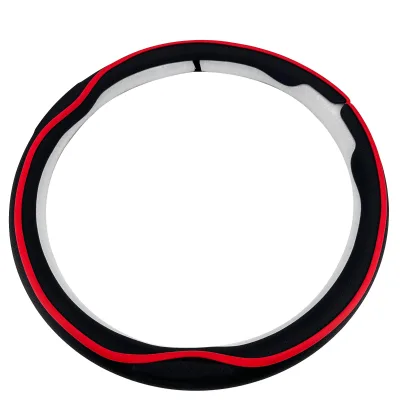


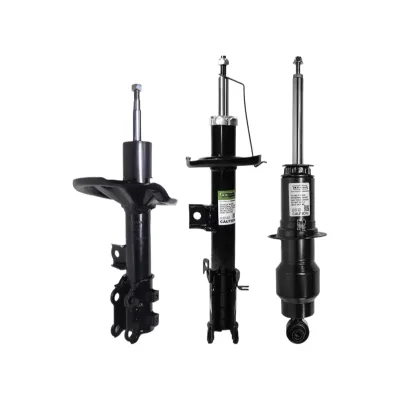


Comprehensive Sourcing Guide
Strategic Sourcing Guide for Front Cover Car Strut Components
The automotive aftermarket and original equipment manufacturing sectors rely heavily on precision suspension and chassis components to ensure vehicle safety and handling performance. When sourcing a front cover car strut, buyers must navigate a complex landscape of material science, manufacturing standards, and regulatory compliance. This guide provides a structured approach to evaluating potential suppliers and products, focusing on the specific attributes observed in the current market, including the ACC2011 model and various strut mount configurations. The objective is to equip procurement professionals with the knowledge to make informed decisions based on verified product facts rather than speculative marketing claims.
Technical Specifications and Material Composition
Understanding the technical architecture of a front cover car strut is the first step in any successful procurement process. The market data indicates a diverse range of materials utilized in these components, primarily driven by the specific application and performance requirements. A significant portion of available products utilizes Polyvinyl Chloride (PVC) or Aluminum/Alloy compositions. For instance, specific listings highlight PVC as a primary material, which is often selected for its durability and resistance to environmental factors. Conversely, other entries specify Aluminum/Alloy, a choice typically made for its high strength-to-weight ratio and structural integrity under load.
The functional requirements for these struts are equally critical. Observed attributes consistently point to "Waterproof" and "UV Protection" capabilities, which are essential for components exposed to the elements in a vehicle's front assembly. The hardness of the materials is another key specification, with some rubber or compound-based strut mounts offering a Shore A hardness range from 20 to 90. This variability allows buyers to select components that match the specific damping and flexibility needs of different vehicle platforms.
Furthermore, the physical dimensions and configuration play a vital role. The market includes products with specific diameters, such as a 430mm specification, and various spoke counts, including a noted 4-spoke design. The "Front" position is a definitive attribute for these parts, distinguishing them from rear suspension components. Buyers must verify that the "Single package size" and "Single gross weight" align with their logistics planning, as observed data shows variations like 45x42x8 cm packages weighing 0.550 kg. The ability to customize size and shape is a prevalent feature, with "Custom" and "Customized Size" appearing as standard specifications for many suppliers.
Compliance, Certification, and Regulatory Standards
In the automotive industry, compliance is not merely a formality but a prerequisite for market entry and liability protection. The sourcing data reveals that many suppliers adhere to ISO certification standards, a baseline requirement for quality management systems in manufacturing. Additionally, specific product lines mention "ISOOEM:Yes," suggesting a direct alignment with Original Equipment Manufacturer standards, which is crucial for maintaining vehicle warranty integrity and safety.
Material compliance is another critical area. Buyers should verify that the compound materials used meet recognized international standards such as ASTM D2000, which governs the classification of rubber and plastic materials. Environmental regulations are increasingly stringent, and the data indicates that suppliers can provide materials that are RoHS and REACH compliant. This ensures that the components do not contain restricted hazardous substances, a requirement for selling in the European Union and other regulated markets.
The "Export Standard" is frequently cited as the packaging and shipping standard, ensuring that goods survive international transit without damage. However, buyers must be vigilant. While "Standard" and "Export Standard" are common labels, the specific "prod_standard" for some items is listed as "Customized Size" or "Universal," which requires careful verification against the vehicle's specific chassis requirements. The "Place of Origin" varies, with listings from Liaoning, Guangdong, and Zhejiang in China, indicating a robust manufacturing hub. Buyers should request specific test reports and certification documents rather than relying solely on the general "ISO" label, as the scope of certification can vary significantly between suppliers.
Cost Drivers and Pricing Dynamics
The pricing structure for front cover car strut components is highly variable, reflecting the diversity in materials, customization levels, and order volumes. The observed market range spans from $0.01 to $32,000 USD. This vast disparity is not indicative of a single product type but rather the inclusion of individual small parts alongside bulk industrial orders or complete assembly kits. The lower end of the spectrum likely represents single units or small-batch customizations, while the higher end may encompass large-scale industrial contracts or specialized alloy-heavy assemblies.
The Minimum Order Quantity (MOQ) is a primary driver of unit cost. Data shows an MOQ range from 1 to 100,000 units. Specific listings indicate MOQs of 100 pieces for certain strut mounts and 500 pieces for other configurations. Buyers purchasing in small quantities will naturally face higher per-unit costs compared to those leveraging economies of scale. The "Automatic" nature of some manufacturing processes can also influence pricing, as automated lines often reduce labor costs but require higher initial volume commitments to be cost-effective.
Material costs are another significant factor. Aluminum/Alloy components generally command a higher price point than PVC or plastic-based alternatives due to the raw material costs and the energy-intensive nature of metal processing. Customization adds another layer of cost; while "Customization" is available, it often incurs additional tooling fees or higher per-unit prices compared to standard "Universal" or "Standard" models. Buyers should analyze the total cost of ownership, including shipping, which can be affected by the "Single gross weight" and "Single package size" of the items.
Typical Applications and Vehicle Fitment
The versatility of front cover car strut components is evident in the wide range of vehicle applications listed. These parts are designed to fit a broad spectrum of manufacturers, including Toyota, Honda, Hyundai, and BMW. Specific listings also mention niche brands like Audi, BMW Brilliance, and Aachen Schnitzer, indicating that these components can be adapted for both mass-market vehicles and performance-oriented models. The "Application" is universally categorized as "Auto Part," confirming their role in the automotive sector.
The "Type" of the component varies, with specific mentions of "Strut Mount" and "Stabilizer Link." These distinctions are critical for buyers, as a strut mount serves a different function than a stabilizer link, even if they are part of the same suspension assembly. The "Position 1: Front" designation confirms their placement in the vehicle's front suspension system. Buyers must cross-reference the "Car Make" and "Car Fitment" data with their specific inventory needs. For example, a component listed for "Audi, BMW Brilliance" may not be compatible with a standard Toyota model without specific adapter kits or modifications.
The "Color" options, ranging from "Red Black" and "Black" to "Amber brown" and "Wine Red," suggest that these parts may also serve aesthetic or branding purposes, particularly in the aftermarket sector. However, functional performance should always take precedence over cosmetic attributes. The "Condition" is consistently listed as "New," ensuring that buyers receive factory-fresh components. The "Advantage" of a "Smooth Surface with Small Parting Line" is a key quality indicator, suggesting high-precision molding or machining processes that reduce the risk of stress fractures or premature failure.
Supplier Evaluation and Quality Assurance
Evaluating suppliers requires a rigorous assessment of their capabilities beyond the basic product listing. The "Brand Name" SMARLION appears in the data, but buyers should not limit their search to a single brand. Instead, they should look for suppliers who demonstrate transparency in their manufacturing processes. The availability of "Samples" is a crucial factor; a supplier willing to provide samples allows buyers to physically inspect the "Smooth Surface" and verify the "Hardness" claims before committing to a large order.
Quality control should be a central part of the supplier evaluation. The "Advantage" of a small parting line indicates a focus on precision, but buyers must verify this through their own quality checks or third-party audits. The "Package" options, including "PE Bag," "Carton," and "OPP Pack," offer insights into the supplier's attention to detail during packaging. Proper packaging is essential to prevent damage during transit, especially for delicate components like strut mounts. The "prod_packing" being listed as "Cartons" or "Carton" is standard, but the specific dimensions and weight must be confirmed to ensure efficient logistics.
Suppliers should also be evaluated on their ability to handle "OEM Logo" acceptance. This capability indicates a supplier's flexibility in branding, which is essential for private-label buyers. The "Customization" attribute is a strong indicator of a supplier's engineering capability. A supplier that can accommodate "Customized Size" and "Custom" specifications is likely to have a more robust R&D department and better quality control systems. Buyers should request references or case studies from other clients in the automotive sector to validate the supplier's track record.
Long-Term Procurement Considerations and Logistics
Sourcing front cover car strut components is not a one-time transaction but a long-term partnership that requires careful planning. The "Lead Time" and "prod_packing" duration of "40days" observed in some listings highlight the importance of supply chain stability. Buyers must account for these lead times in their inventory planning to avoid stockouts. The "MOQ" of 100 or 500 pieces may require buyers to maintain a certain level of inventory, which impacts working capital.
The "Standard" of "Export Standard" ensures that the goods are ready for international shipping, but buyers should also consider the "Place of Origin" logistics. With origins in Liaoning, Guangdong, and Zhejiang, buyers need to evaluate the proximity of these manufacturing hubs to their primary ports of entry. Efficient logistics can significantly reduce shipping costs and lead times. The "Single gross weight" and "Single package size" are critical for calculating freight costs, especially for air freight or LCL (Less than Container Load) shipments.
Long-term success also depends on the supplier's ability to maintain consistent quality over time. The "ISO" certification and "ASTM D2000" compliance are baseline requirements, but buyers should establish a system for regular quality audits. The "Condition: New" and "Automatic" manufacturing processes suggest a high level of consistency, but continuous monitoring is necessary to ensure that the "Smooth Surface" and "Hardness" specifications remain within tolerance. Finally, the "Customization" capability should be leveraged to adapt to changing market demands, ensuring that the procurement strategy remains agile and responsive to the evolving needs of the automotive industry.
FAQs
What materials are used for front cover car struts?
Front cover car struts are commonly made from PVC or Aluminum/Alloy. Some products also utilize a compound material that meets ASTM D2000 standards. These materials are selected for their durability, strength, and resistance to environmental factors like UV exposure.
Can I customize the size of the strut mount?
Yes, customization is available for front cover car strut components. Suppliers offer custom sizes and specifications to meet specific vehicle requirements. This flexibility allows buyers to obtain parts that fit unique chassis dimensions or performance needs.
Which certifications do these auto parts hold?
Many products carry ISO certification and meet ISOOEM standards. The compound materials used often comply with RoHS and REACH regulations. These certifications ensure the parts meet international quality and safety requirements for automotive applications.
How much is the minimum order quantity for these parts?
The minimum order quantity ranges from 1 to 100,000 units depending on the supplier. Specific listings show MOQs of 100 pieces for certain strut mounts and 500 pieces for other configurations. Buyers should verify the exact MOQ with the manufacturer before ordering.
Where are these auto parts manufactured?
These components originate from various locations in China, including Liaoning, Guangdong, and Zhejiang. The specific place of origin depends on the manufacturer and the product model. Buyers should confirm the exact location to assess shipping logistics and lead times.
What is the lead time for custom orders?
Lead times can vary, with some listings indicating a duration of 40 days for specific packing or production cycles. The actual time depends on the customization level and order volume. Buyers must account for this duration when planning their inventory and supply chain.
Are samples available for testing before bulk purchase?
Samples are available for many front cover car strut products. Buyers can request samples to verify the smooth surface finish and hardness specifications. This allows for quality assessment before committing to larger orders that meet the minimum quantity requirements.